The Titanic — 2 Hours and 40 Minutes
untold-history · history · history/003-the-titanic---the-2-hours-and-40-minutes
Video Preview
Scenes (9)
 1
1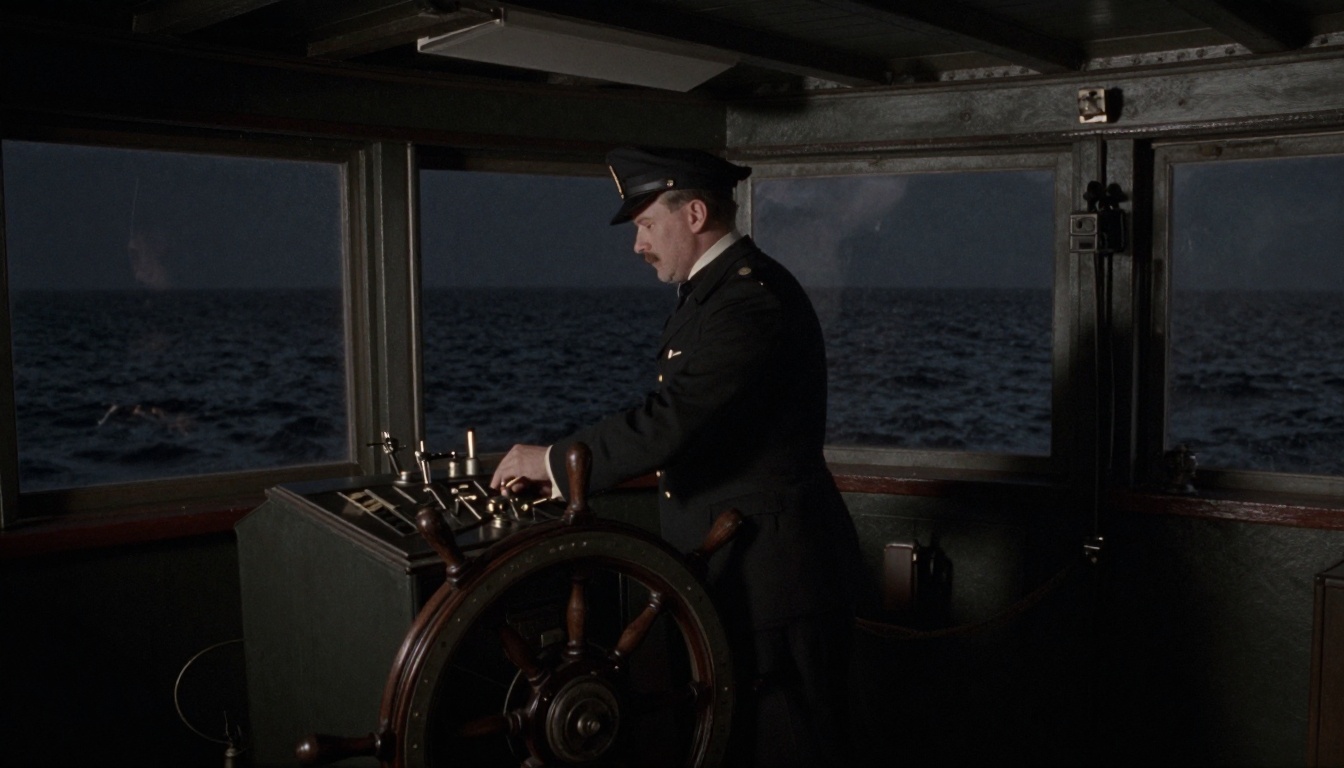 2
2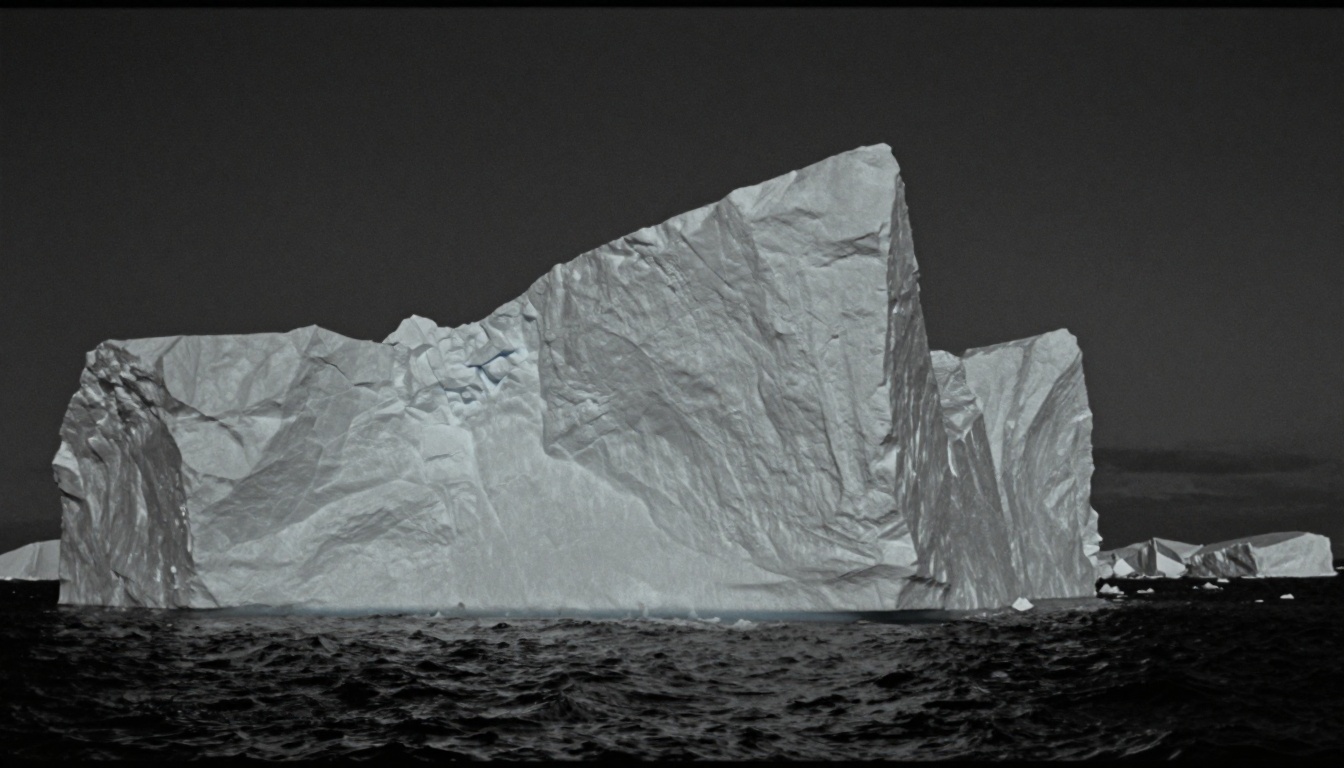 3
3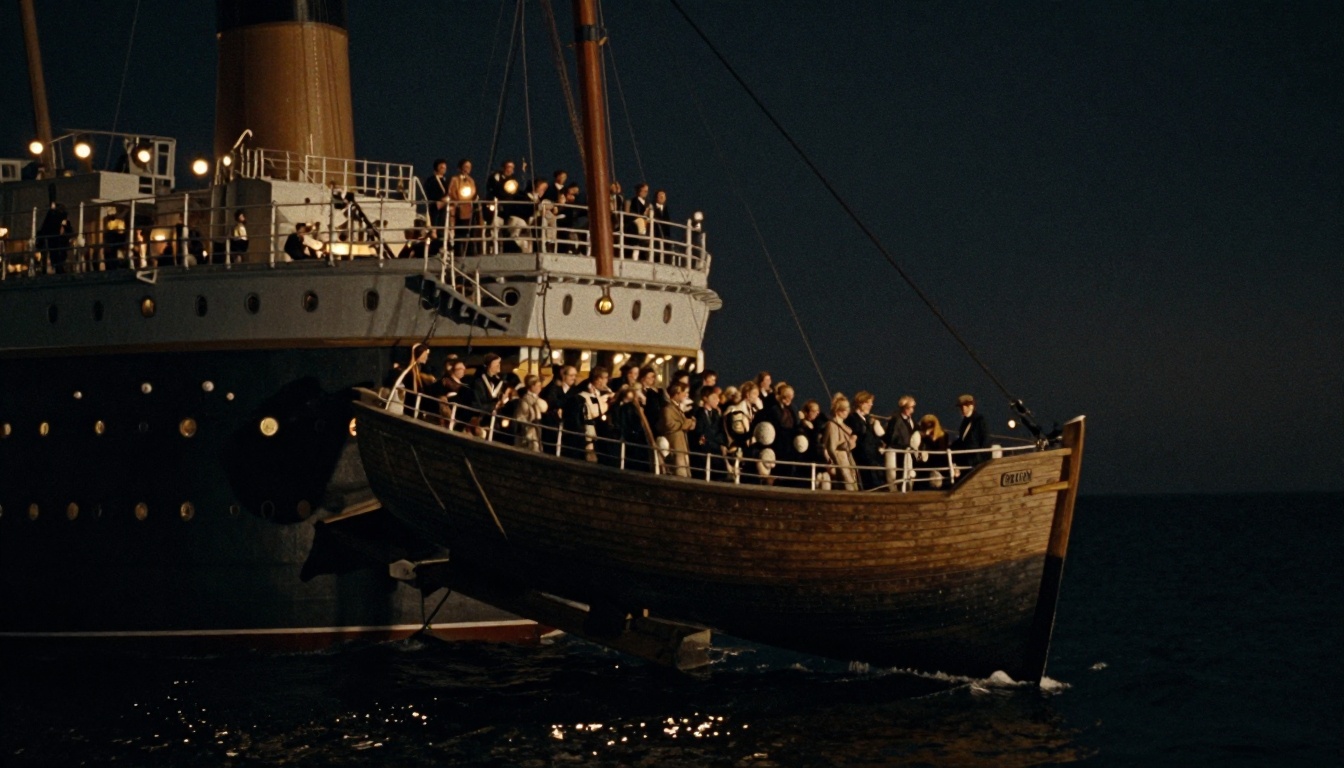 4
4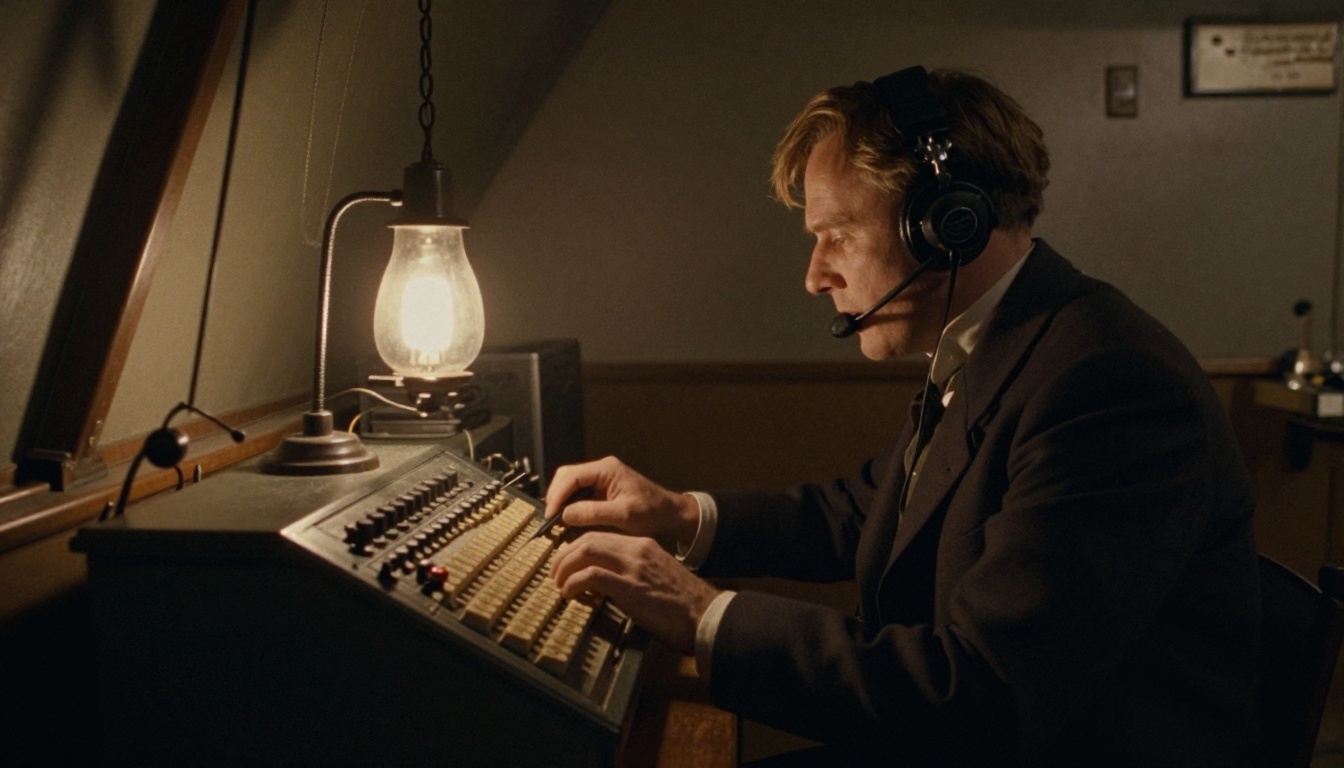 5
5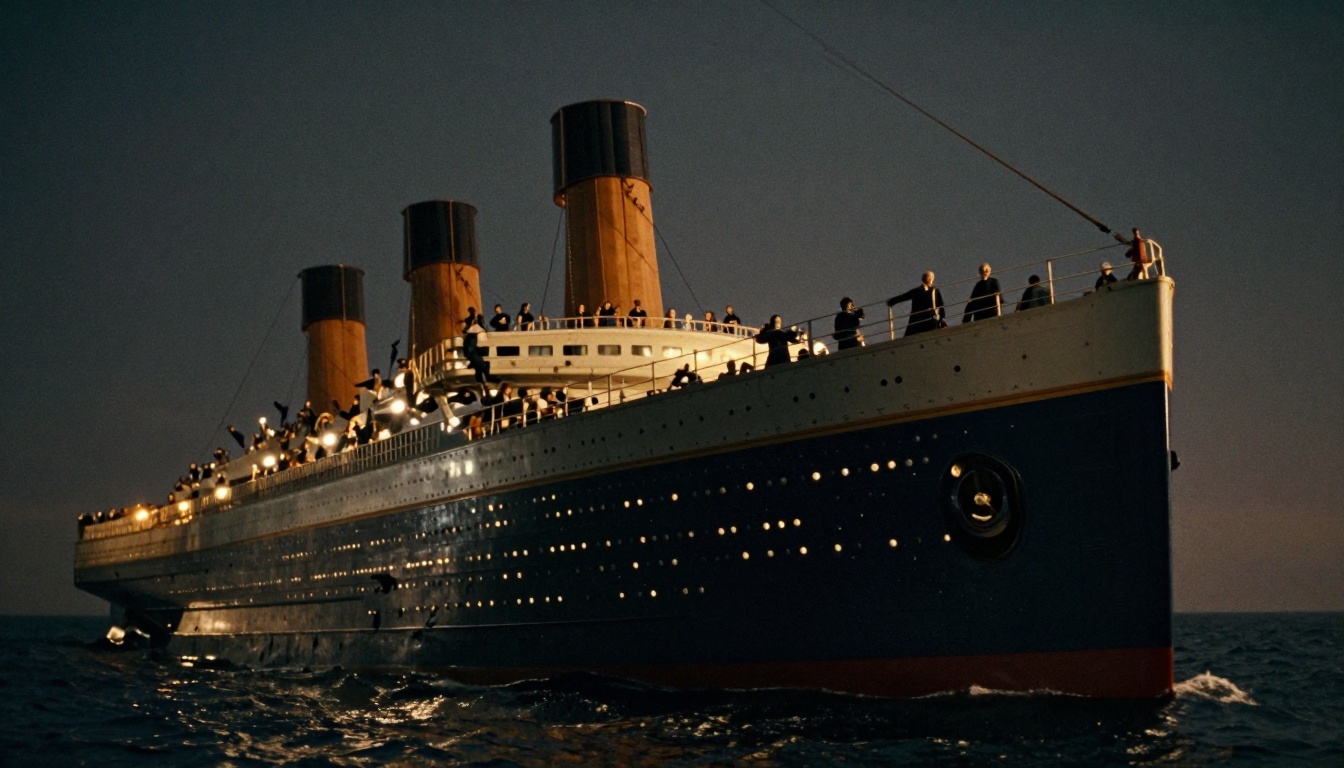 6
6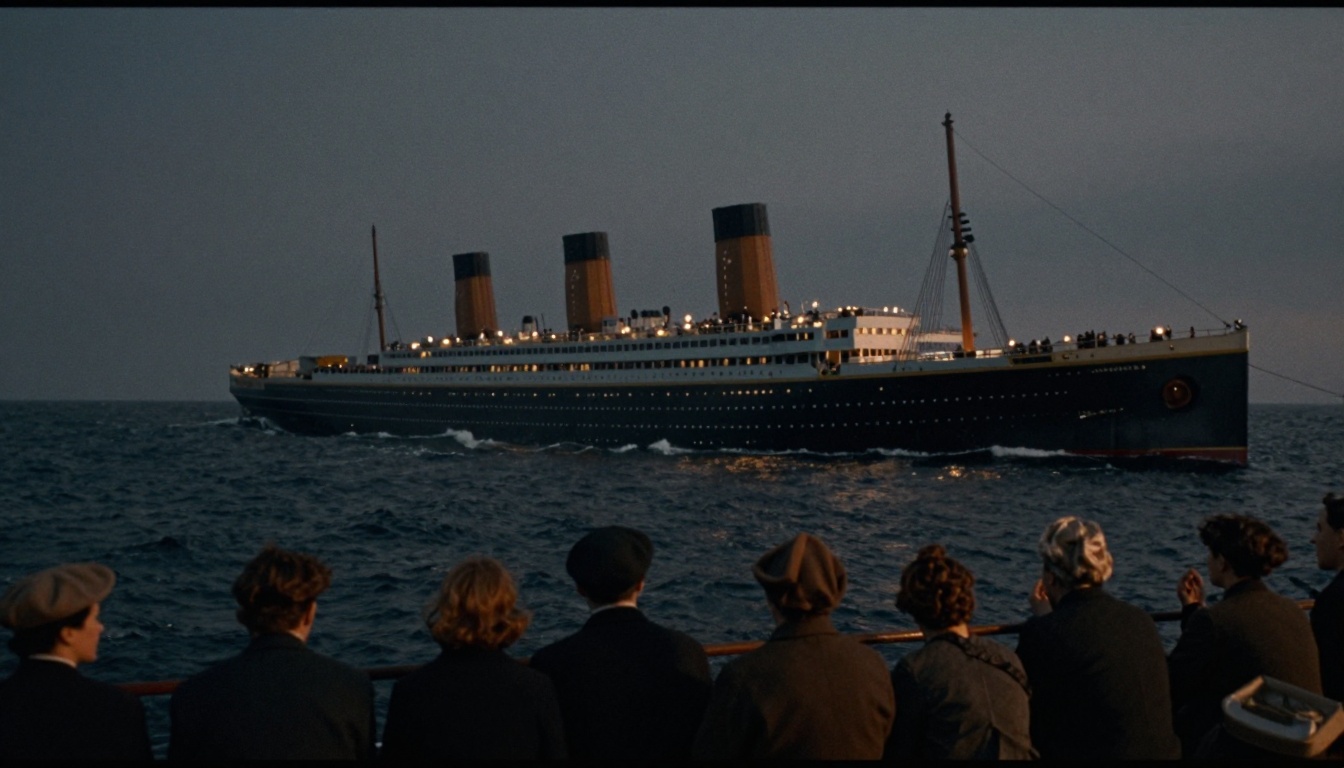 7
7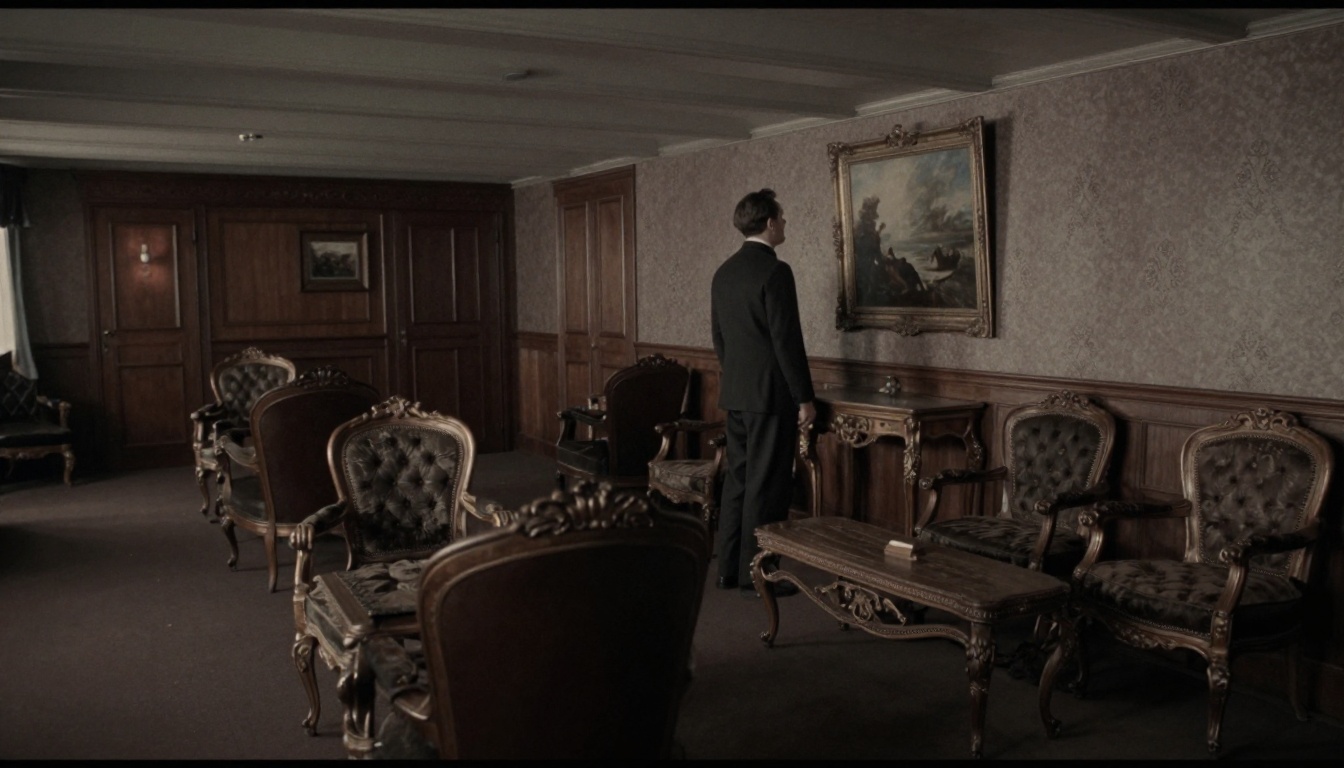 8
8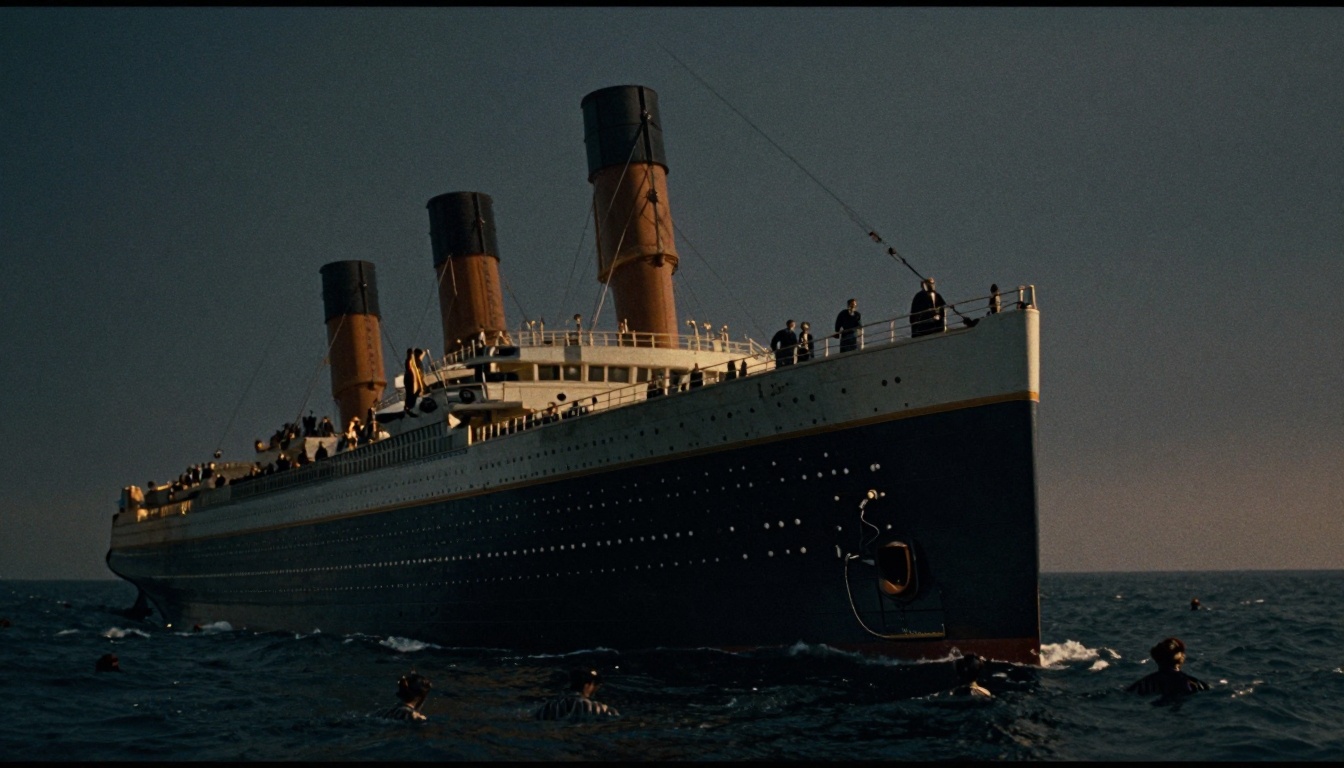 9
9Video Plan
# Video Plan: The Titanic — 2 Hours and 40 Minutes

## Source

**Summary:** On the night of April 14–15, 1912, RMS Titanic struck an iceberg at 11:40 PM and sank at 2:20 AM — a window of 2 hours and 40 minutes in which over 1,500 people died. This video follows that window minute by minute: the decisions made, the warnings ignored, the lifeboats that left half-empty, and the men who stayed behind.

**Sources:**
- Lord, Walter. *A Night to Remember* (1955) — survivor accounts
- British Board of Trade Inquiry (1912) — official testimony
- US Senate Titanic Inquiry (1912) — official testimony
- Encyclopedia Titanica (encyclopediatitanica.org) — passenger/crew records
- Britannica: "Titanic" — verified statistics
- National Geographic: Titanic primary documentation

**Date of event:** April 14–15, 1912

---

## Script

**[HOOK]**

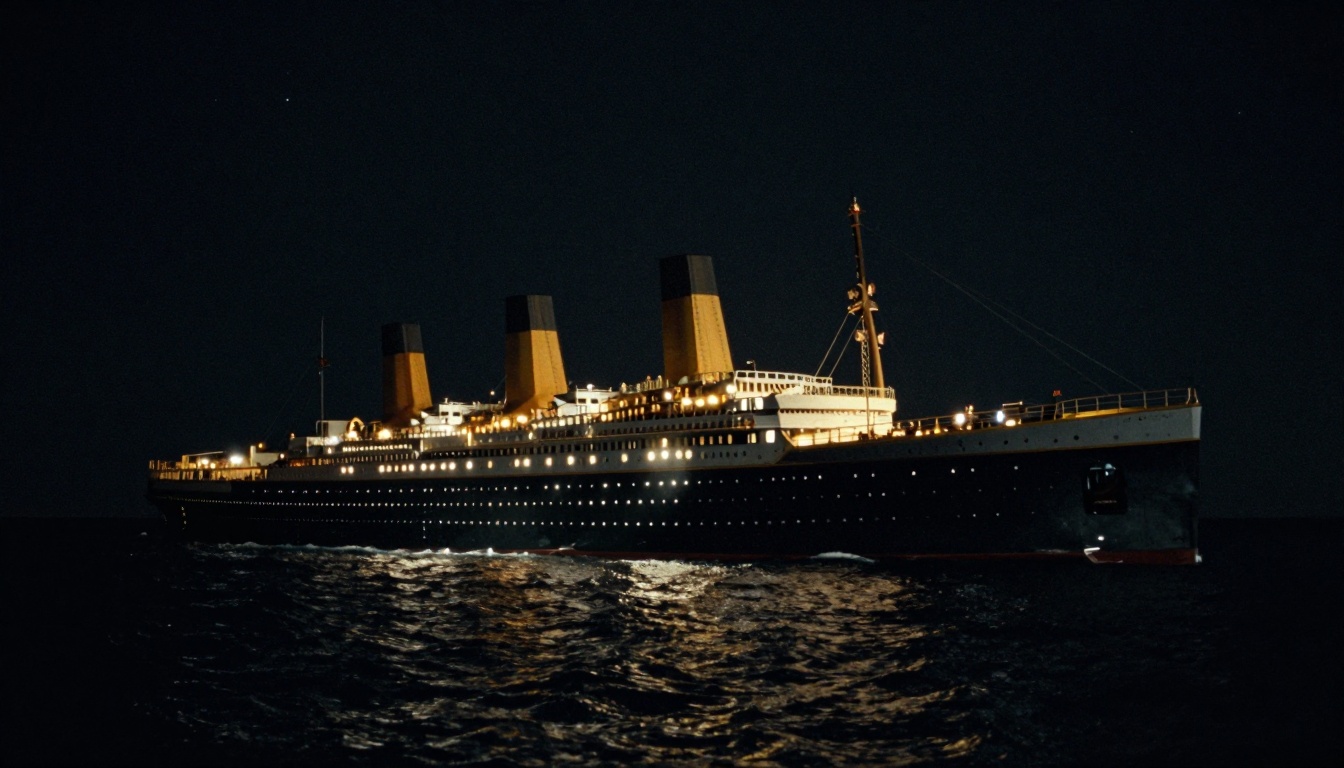
Eleven forty PM. April fourteenth, nineteen twelve. The lookout Frederick Fleet picks up the telephone in the crow's nest and speaks four words that will end fifteen hundred lives.

*Iceberg. Right ahead.*

Forty-five seconds later, the largest ship ever built grinds along a wall of ice in the North Atlantic. It is a glancing blow. Almost gentle. The passengers barely feel it.

They have two hours and forty minutes left.

---

**[SETUP — THE WARNINGS]**

The Titanic had received at least six ice warnings that day. Six separate messages from other ships reporting ice in exactly the stretch of ocean they were crossing. The last came at 9:40 PM from the SS Mesaba — warning of "heavy pack ice and large icebergs." It never reached the bridge. The wireless operator was busy handling passenger telegrams.

The Titanic was sailing at 22.5 knots — nearly full speed — through a moonless night, into the iceberg field those warnings described.

This was not recklessness. It was routine. Ships crossed the North Atlantic at speed in April. The ice was considered manageable. The Titanic was considered unsinkable.

---

**[THE HIT — 11:40 PM]**

First Officer William Murdoch ordered hard-a-starboard the moment Fleet's warning came through. The ship began to turn — but not fast enough. The iceberg scraped along the starboard side for approximately 300 feet, puncturing five of the sixteen watertight compartments below the waterline.

The Titanic could stay afloat with four flooded. Not five.

Ship's designer Thomas Andrews inspected the damage with Captain Edward Smith within minutes. His assessment was delivered quietly, in private. The ship had, at most, two hours. Possibly less.

Two hours. For 2,224 people. With lifeboat capacity for 1,178.

---

**[THE LIFEBOATS — 12:05 AM to 1:55 AM]**

At 12:05 AM, the order came to prepare the lifeboats. Women and children first.

The first lifeboat — number seven — was lowered at 12:40 AM. It held twenty-eight people. Its capacity was sixty-five. The crew couldn't fill it. Passengers didn't believe the ship was sinking. The night was calm. The ship still felt solid beneath their feet. Why would you climb into a small wooden boat and lower yourself into the North Atlantic when you were standing on something this size?

This pattern repeated itself across the next hour. Lifeboat after lifeboat going into the water at half capacity, or less. Lifeboat 1 — capacity forty — left with twelve people aboard, including a baronet and his wife.

Meanwhile, in the wireless room, operators Jack Phillips and Harold Bride were transmitting distress signals — first CQD, then the newer SOS. The Carpathia, 58 miles away, heard them at 12:20 AM and turned toward Titanic at maximum speed. She would arrive in approximately four hours.

The Titanic had less than two.

The SS Californian was closer — perhaps ten miles away. Her wireless operator had gone to sleep. Officers on her bridge watched rockets fired from a distant ship but assumed they were signal rockets. They took no action.

---

**[THE FINAL HOUR — 1:45 AM to 2:20 AM]**

By 1:45 AM, the bow was visibly underwater. The stern was rising. The angle was becoming impossible to ignore. People were moving — climbing railings, sliding toward the stern, jumping. The water temperature was 28 degrees Fahrenheit. Below freezing. Survival time in that water: fifteen to thirty minutes.

The last lifeboat — number four — was lowered at 1:55 AM. After that, the deck was clear of boats. Approximately 1,500 people remained on a ship with nothing to hold them.

At 2:17 AM, Phillips sent the final distress call. Three minutes later, at 2:20 AM on April 15th, 1912 — the Titanic was gone.

The ship broke in two before the end. The stern rose nearly vertical before both sections plunged 12,500 feet to the ocean floor.

The band — eight musicians — played until the water reached them. All eight died.

Captain Smith was last seen on the bridge. Thomas Andrews, who had designed the ship and knew what was coming from the moment he saw the damage, was found in the first-class smoking room, staring at a painting on the wall.

---

**[AFTERMATH]**

710 people survived. 1,517 died — a figure that varied slightly across competing inquiries, but never by much. The cold did most of the killing. Of the roughly 1,500 in the water, only thirteen were pulled alive from the ocean.

The inquiries that followed found systematic failures: inadequate lifeboats, insufficient lifeboat drills, a culture of speed over safety. The International Ice Patrol was created the following year. Lifeboat requirements were changed across the industry.

But none of that could touch the central fact.

The warnings had been received. The speed had not been reduced. The lifeboats had gone into the water half-empty.

Two hours and forty minutes. And most of it was wasted.

---

## Scenes

| # | Type | Config | Transition |
|---|------|--------|------------|
| 1 | text_card | text: "11:40 PM", subtext: "April 14, 1912 — North Atlantic" | fade |
| 2 | image | prompt: "Cinematic dark history documentary, film grain, desaturated high contrast black-and-white feel. RMS Titanic at night, full side view, all lights blazing, dark North Atlantic ocean, stars above, calm black water. 768x1344 vertical." | dissolve |
| 3 | stat_card | number: "6", label: "Ice warnings received that day", trend: "up" | fade |
| 4 | image | prompt: "Cinematic dark history documentary, film grain, desaturated high contrast 1912 black-and-white feel. Ship bridge interior at night, officer at telegraph wheel, dark ocean through windows, tense atmosphere. 768x1344 vertical." | dissolve |
| 5 | timeline | events: [{"date":"11:40 PM","text":"Iceberg spotted — hard-a-starboard ordered"},{"date":"11:50 PM","text":"5 watertight compartments flooding"},{"date":"12:05 AM","text":"Thomas Andrews: ship has 2 hours, possibly less"},{"date":"12:15 AM","text":"CQD distress signal transmitted"},{"date":"12:40 AM","text":"First lifeboat lowered — 28 of 65 seats filled"}] | fade |
| 6 | image | prompt: "Cinematic dark history documentary, film grain, desaturated high contrast 1912 period. Close-up of a massive iceberg at night in the North Atlantic, dark water, moonless sky, foreboding atmosphere. 768x1344 vertical." | dissolve |
| 7 | stat_card | number: "2,224", label: "People aboard", trend: "down" | fade |
| 8 | stat_card | number: "1,178", label: "Lifeboat capacity", trend: "down" | fade |
| 9 | image | prompt: "Cinematic dark history documentary, film grain, desaturated high contrast 1912 period. Titanic lifeboat being lowered from davits at night, small wooden boat descending toward dark ocean, passengers huddled inside, ship lights above. 768x1344 vertical." | dissolve |
| 10 | quote_card | quote: "Iceberg, right ahead.", attribution: "Frederick Fleet, Lookout, RMS Titanic — 11:40 PM, April 14, 1912" | fade |
| 11 | map_highlight | highlight: ["North Atlantic Ocean"], extent: "atlantic", center: ["-50", "41.7"], title: "Position at Sinking", label: "41°46'N 50°14'W — 375 miles south of Newfoundland" | fade |
| 12 | image | prompt: "Cinematic dark history documentary, film grain, desaturated 1912 period. Titanic wireless radio room interior, operator at telegraph equipment, urgent expression, dim lighting, equipment scattered. 768x1344 vertical." | dissolve |
| 13 | stat_card | number: "58 mi", label: "Carpathia — distance when distress call received", trend: "down" | fade |
| 14 | image | prompt: "Cinematic dark history documentary, film grain, desaturated high contrast 1912 period. Titanic stern rising from the water at night, silhouettes of people on the tilting deck, ship lights flickering, dark ocean below. 768x1344 vertical." | dissolve |
| 15 | stat_card | number: "28°F", label: "Water temperature — survival time: 15–30 min", trend: "down" | fade |
| 16 | timeline | events: [{"date":"1:45 AM","text":"Bow visibly submerged, stern rising"},{"date":"1:55 AM","text":"Last lifeboat lowered — ~1,500 remain aboard"},{"date":"2:17 AM","text":"Final distress call transmitted"},{"date":"2:18 AM","text":"Ship breaks in two"},{"date":"2:20 AM","text":"Titanic fully submerged"}] | fade |
| 17 | image | prompt: "Cinematic dark history documentary, film grain, desaturated high contrast 1912 period. View from a lifeboat in the dark North Atlantic, tiny flames and silhouettes of people in the freezing water in the distance, survivors watching in silence. 768x1344 vertical." | dissolve |
| 18 | stat_card | number: "1,517", label: "Deaths — estimates range 1,490–1,635 across inquiries", trend: "down" | fade |
| 19 | stat_card | number: "710", label: "Survivors", trend: "up" | fade |
| 20 | quote_card | quote: "The ship can sink in an hour and a half. Possibly less.", attribution: "Thomas Andrews, Titanic's designer — to Captain Smith, approx. 12:05 AM (reconstructed from survivor testimony)" | fade |
| 21 | image | prompt: "Cinematic dark history documentary, film grain, desaturated 1912 period. Empty first-class smoking room aboard a ship at night, a painting on the wall, an overturned chair, water beginning to creep across the floor, one man standing and staring. 768x1344 vertical." | dissolve |
| 22 | image | prompt: "Cinematic dark history documentary, film grain, desaturated high contrast 1912 period. RMS Titanic stern fully vertical above black ocean at night, silhouettes of people, stars above, the last moment before it disappears. 768x1344 vertical." | dissolve |
| 23 | stat_card | number: "12,500 ft", label: "Depth — where Titanic rests today", trend: "down" | fade |
| 24 | text_card | text: "Two hours and forty minutes.", subtext: "Most of it was wasted." | fade |

---

---
Actions
Metadata
Voicebm_george
Speed1.05x
Musicdark
DurationUnknown
Scenes24
Video #3
Created: 4/4/2026, 9:32:55 AM
Updated: 4/4/2026, 1:45:46 PM
Pipeline Config
Voicebm_george
Speed1.05x
Transition-
Musicdark
Scenes24