Chernobyl — The Night the World Changed
untold-history · history · history/001-chernobyl
Video Preview
Scenes (10)
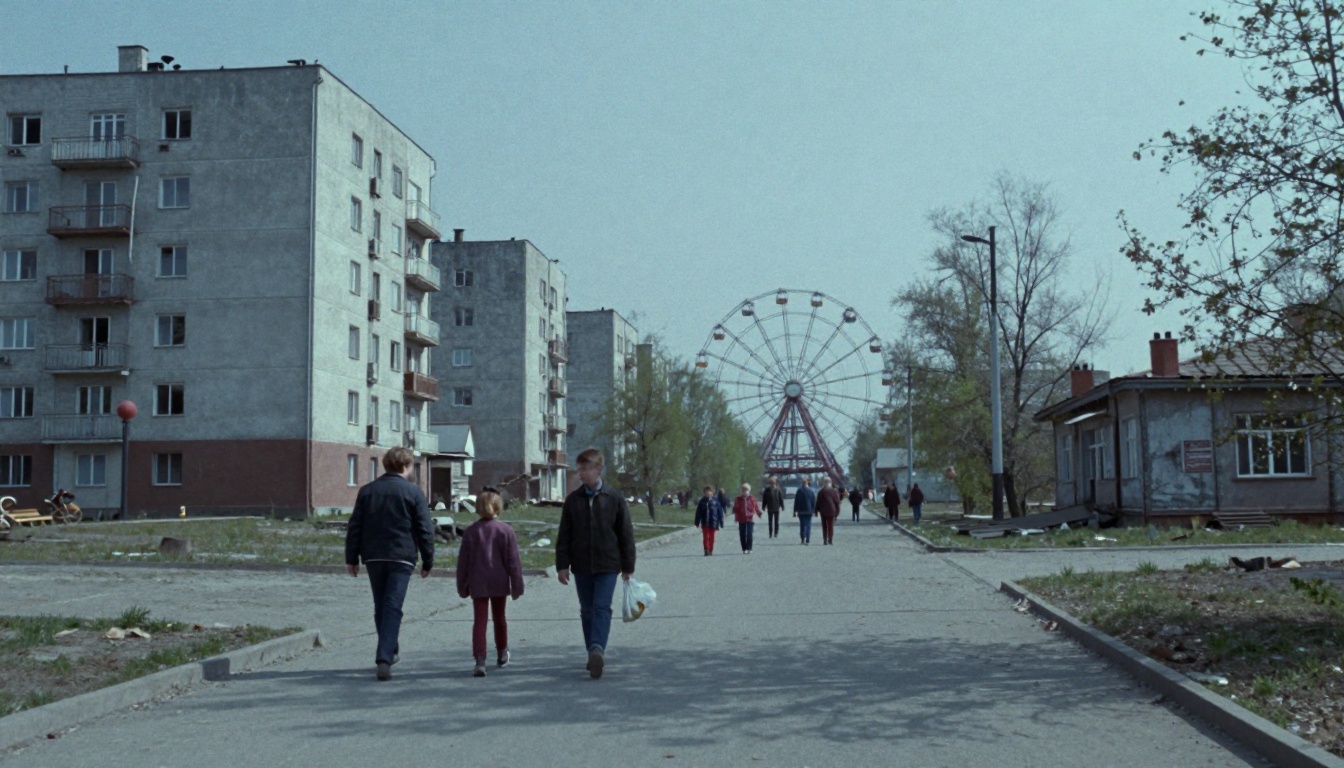 1
1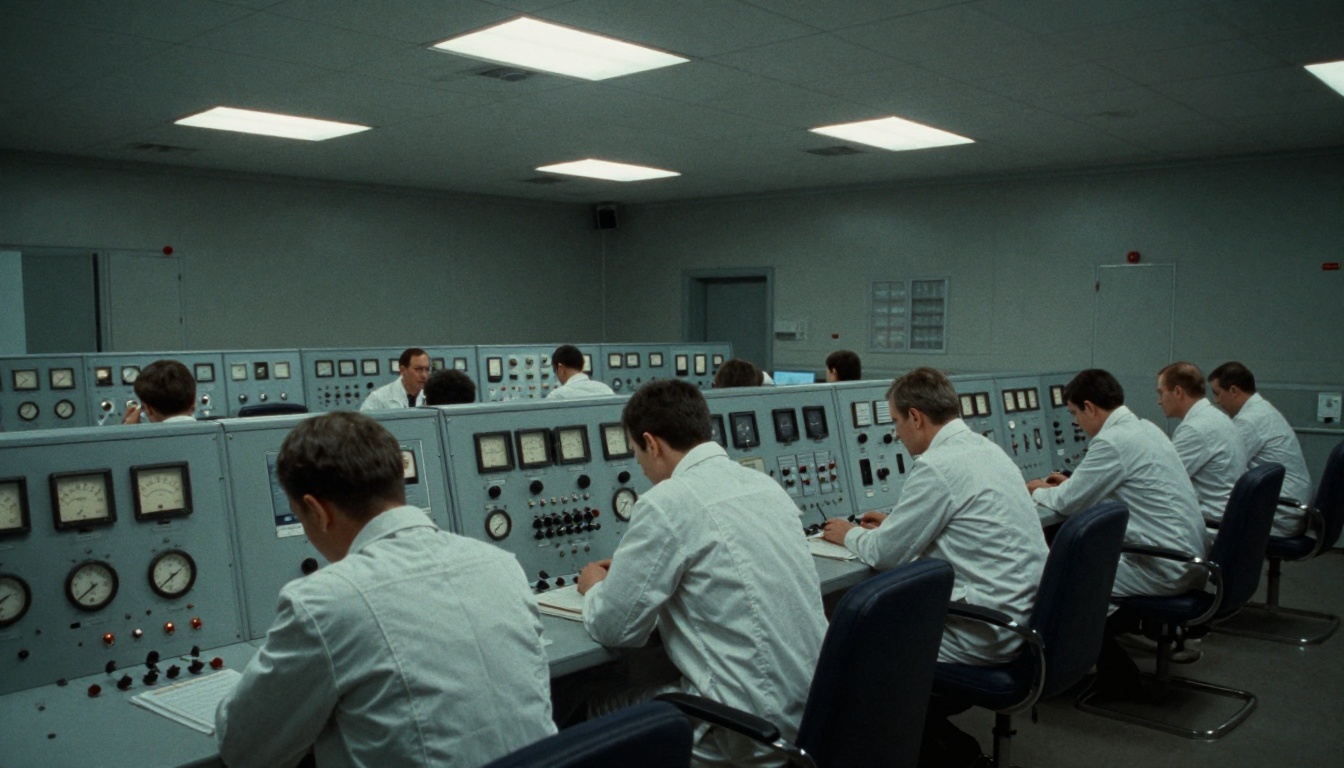 2
2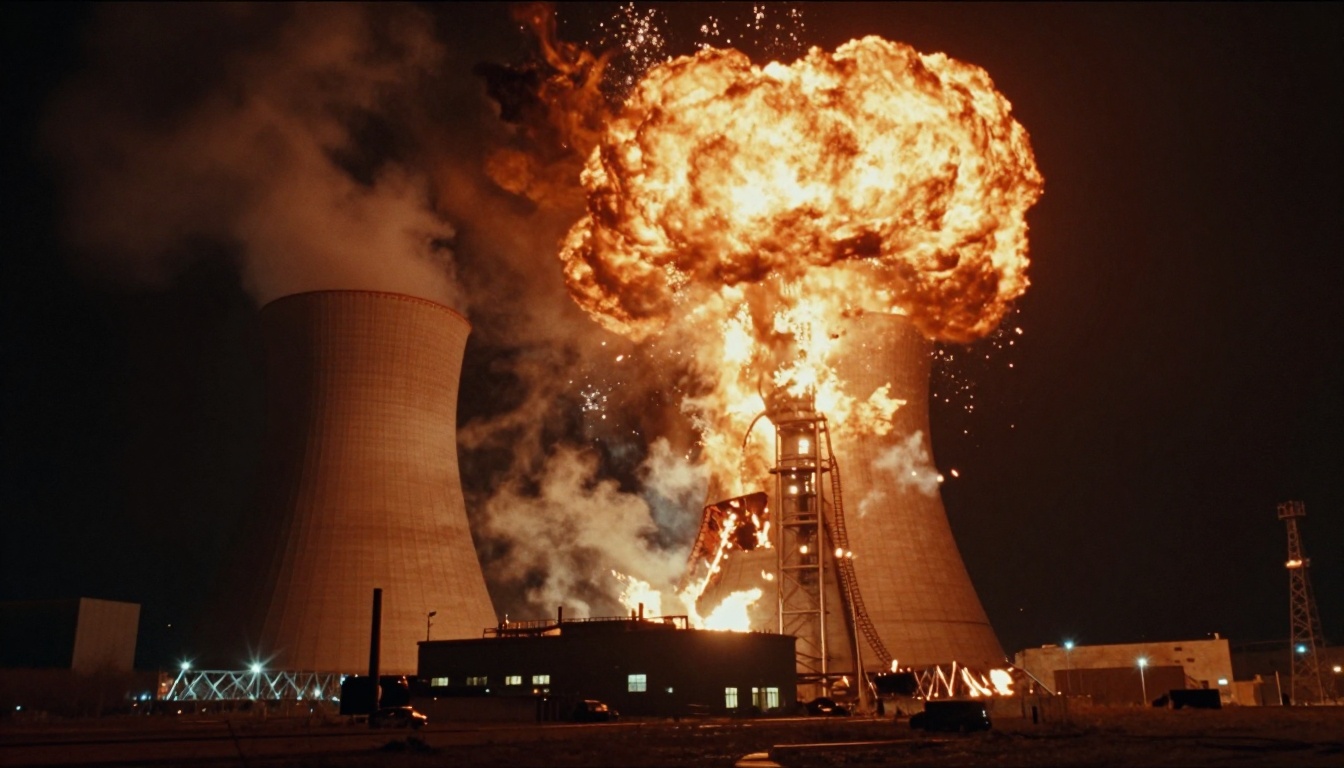 3
3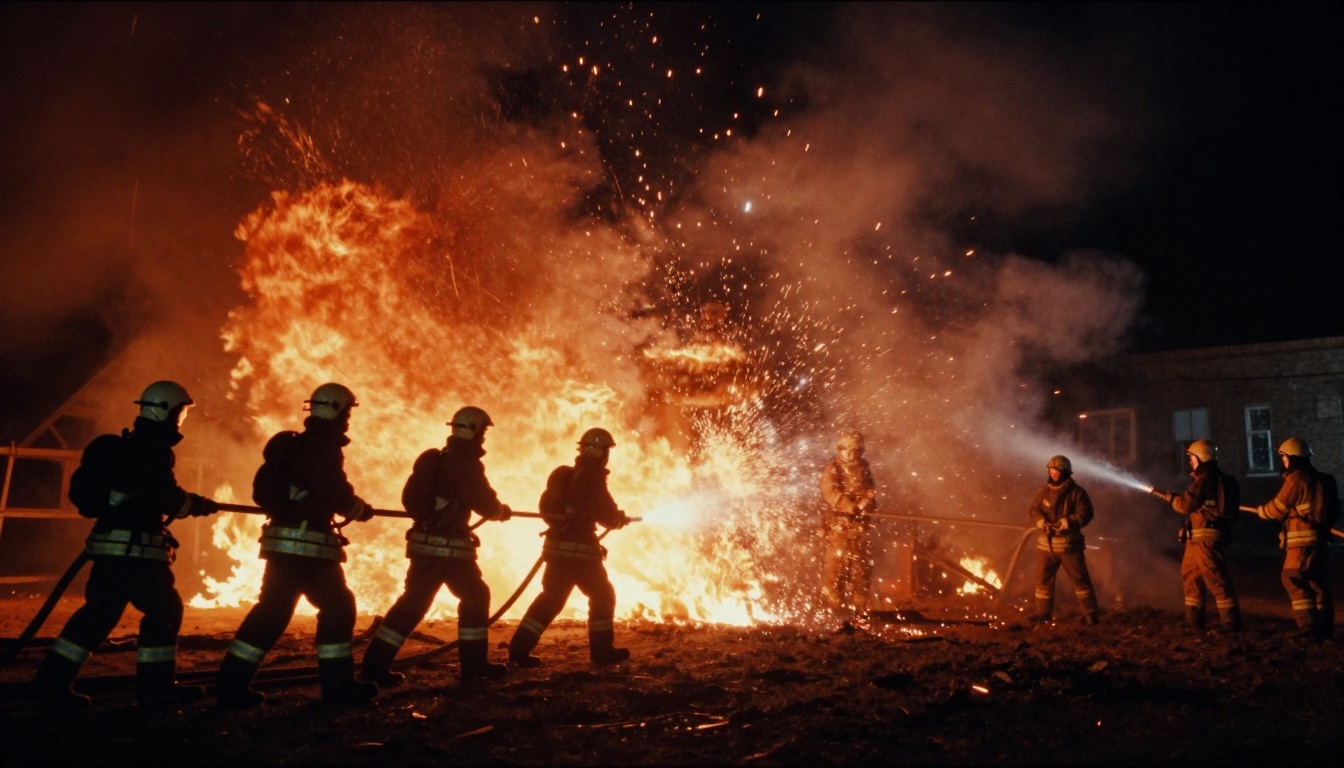 4
4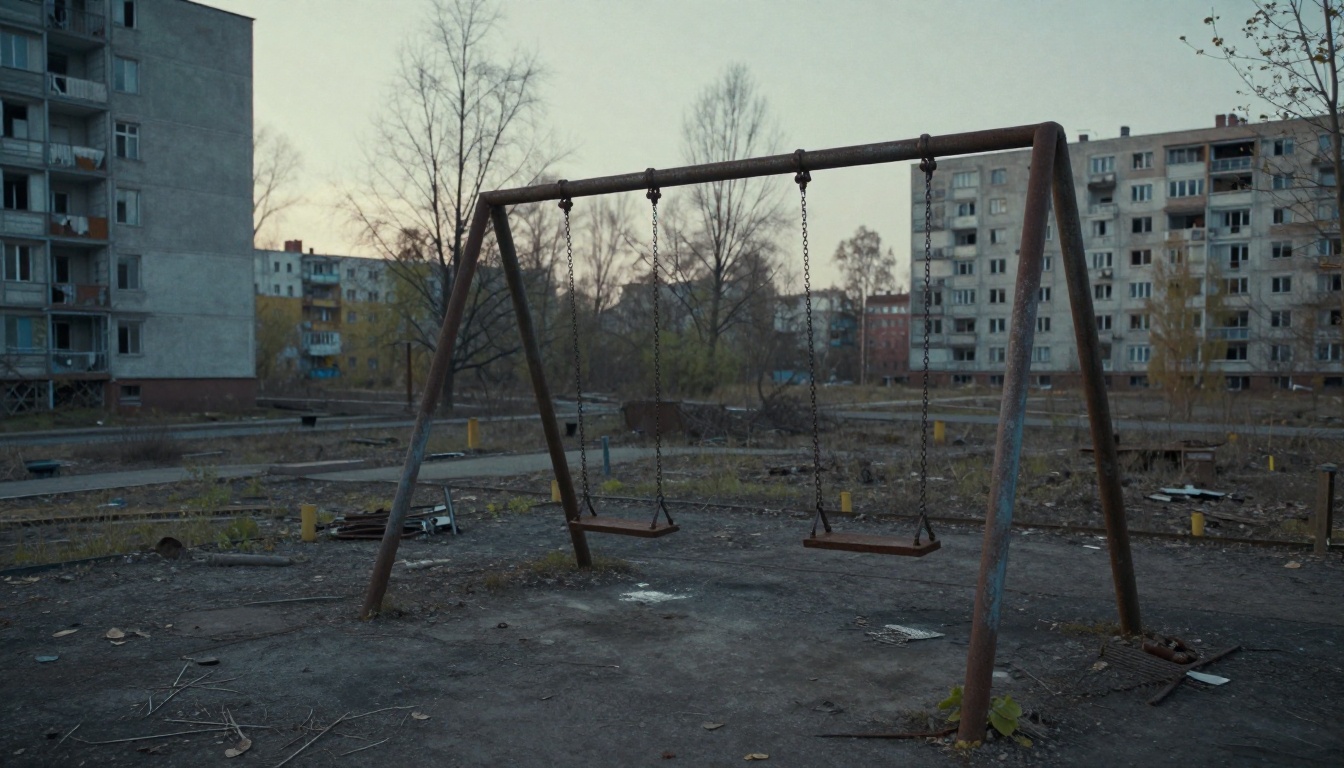 5
5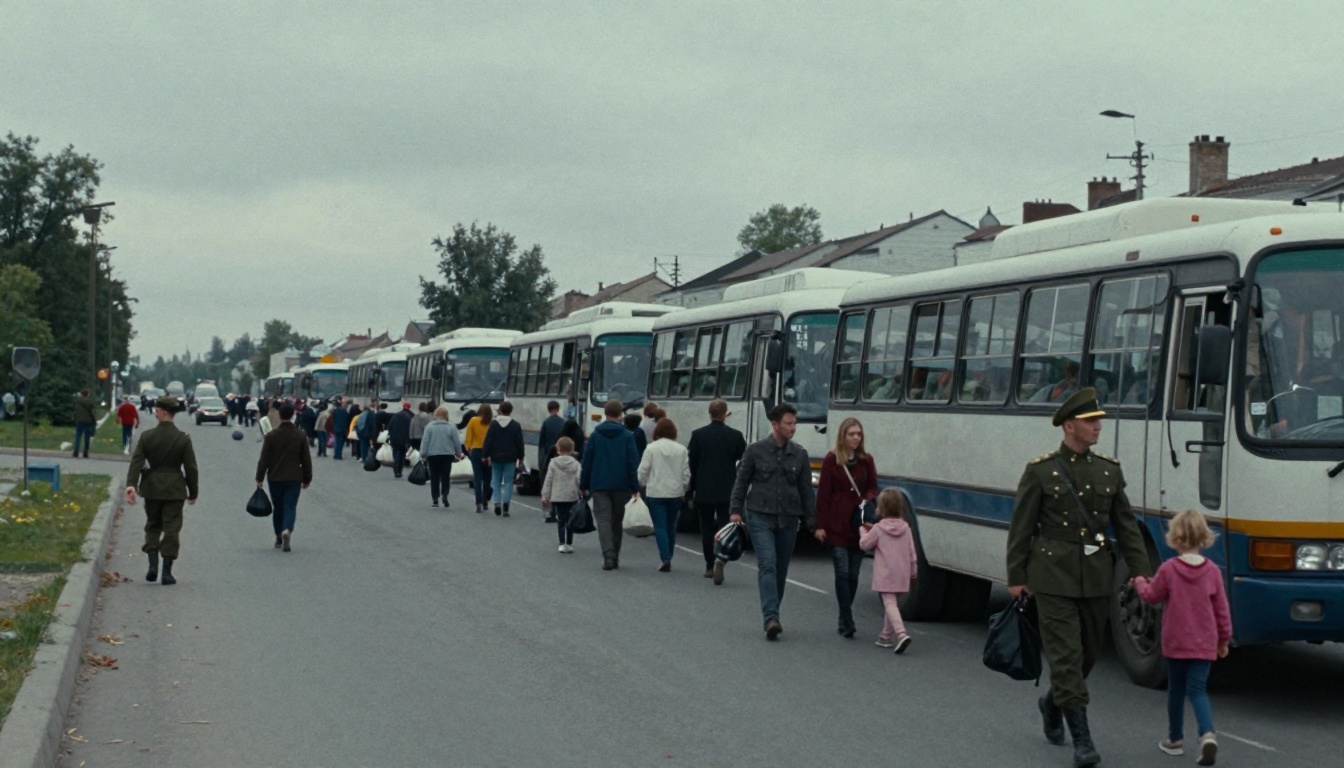 6
6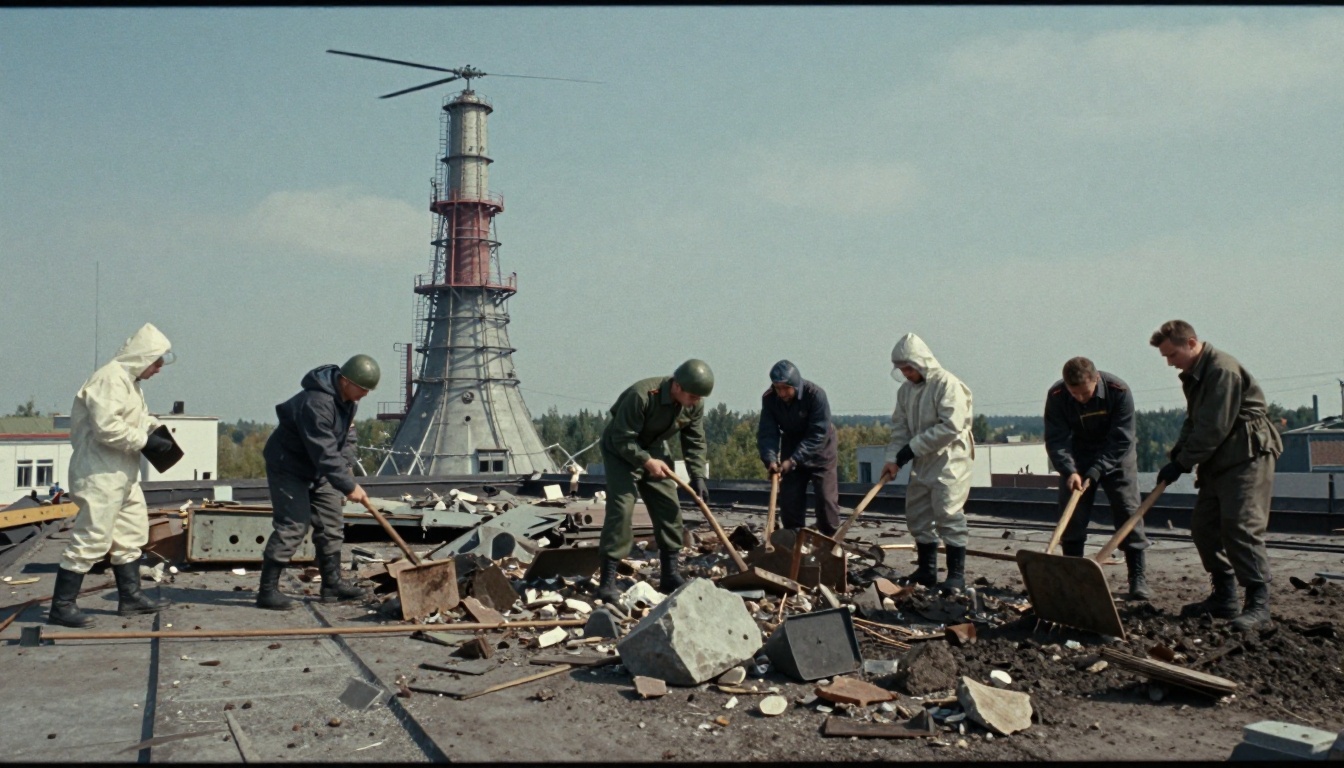 7
7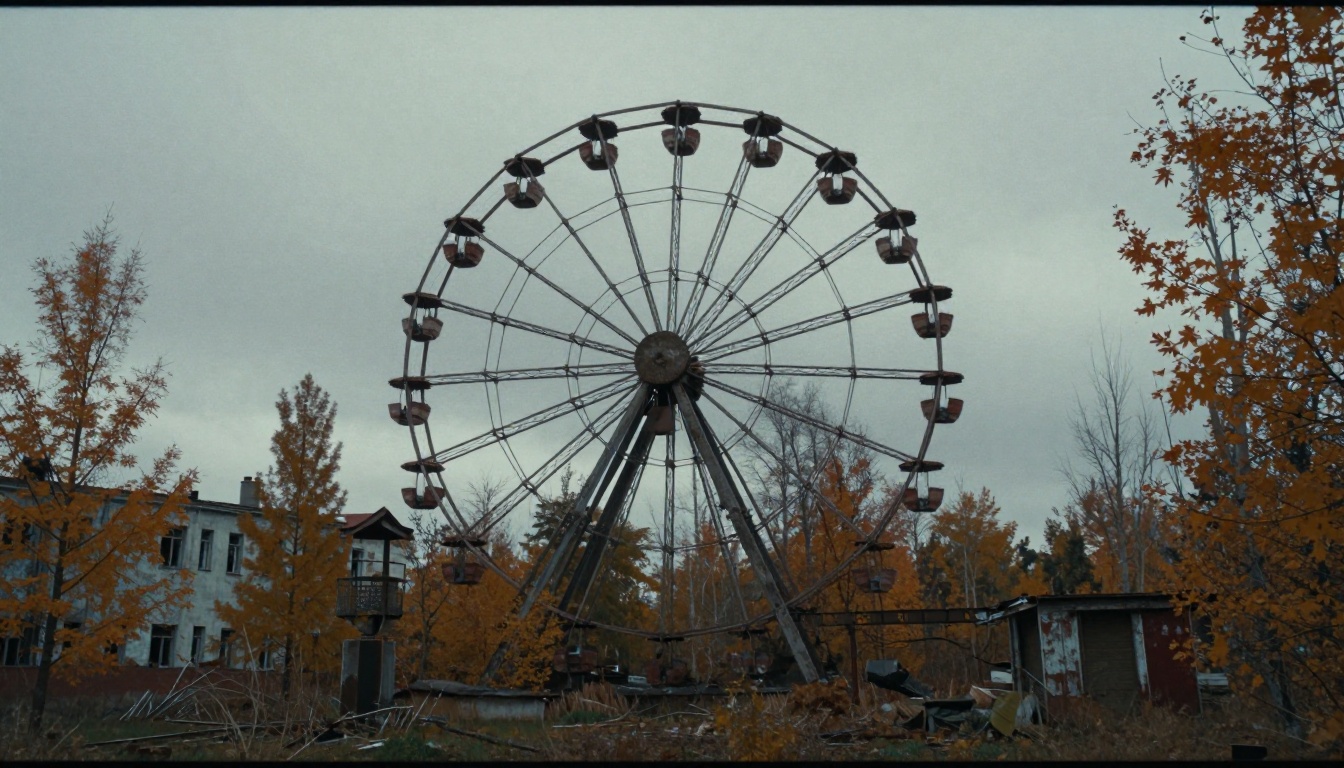 8
8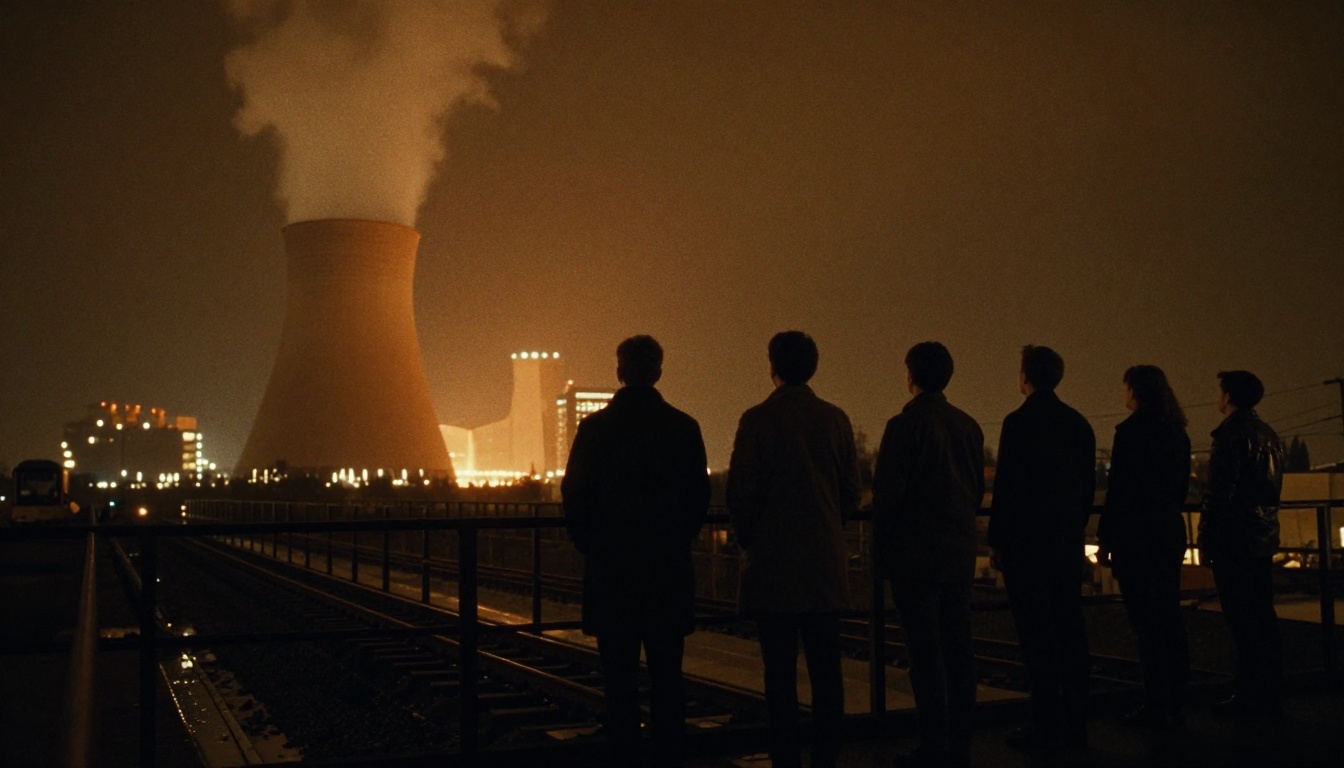 9
9 10
10Video Plan
# Video Plan: Chernobyl — The Night the World Changed

## Source
- **Story:** The hour-by-hour breakdown of the Chernobyl nuclear disaster — from a routine safety test to the worst nuclear accident in history. Told through the decisions, lies, and silence that turned a power plant into a death zone.
- **Sources:** Wikipedia, Britannica, History.com, NRC, World Nuclear Association, IAEA, UNSCEAR
- **Date:** 2026-04-03
- **Visual Score:** 5/5 | **Hook Score:** 5/5 | **Narrative Score:** 5/5

## Script (narration text)

One twenty-three AM. Forty-five seconds. That's the exact moment the world split into before and after.

On April twenty-sixth, nineteen eighty-six, Reactor Number Four of the Chernobyl Nuclear Power Plant exploded. It released four hundred times more radiation than the Hiroshima bomb. It cost seven hundred billion dollars. It poisoned an area the size of Luxembourg. And it started with a safety test.

Chernobyl sits one hundred and thirty kilometers north of Kiev, in what was then the Soviet Union. The plant powered millions of homes. The city of Pripyat, three kilometers away, was built specifically for the workers and their families. Forty-nine thousand people. A young city. Average age: twenty-six.

The test was supposed to happen during the day shift on April twenty-fifth. Experienced operators. Full daylight. But Kiev needed electricity, so the test was delayed. It got pushed to the night shift. Less experienced crew. A deputy chief engineer named Anatoly Dyatlov was in charge.

The test was simple in theory. Simulate a power outage. See if the turbines could generate enough electricity to keep the cooling pumps running while the backup diesel generators started up. A sixty-second gap. That's all they needed to bridge.

But the reactor wasn't cooperating. Power dropped to thirty megawatts. Far too low. The safe range was seven hundred. Dyatlov ordered them to raise it. The operators pushed the reactor back up to two hundred megawatts. Still too low. But Dyatlov said: proceed.

To keep the test going, operators disabled multiple safety systems. Emergency cooling. Automatic shutdown. They pulled out nearly all the control rods. The reactor was now running in a configuration that no manual, no protocol, no training had ever authorized.

At one twenty-three AM, they began the test. Four seconds later, someone pressed the emergency shutdown button. AZ-five. It was supposed to save them.

It did the opposite.

The control rods had a design flaw. A graphite tip. When they dropped into the reactor, the tips caused a momentary power spike instead of reducing it. In four seconds, the reactor surged from two hundred megawatts to thirty thousand megawatts. One hundred times its normal output.

The fuel rods shattered. Steam pressure blew the thousand-ton reactor lid straight through the roof of the building. A second explosion followed. The graphite core caught fire. It would burn for ten days.

The first firefighters arrived within five minutes. They had no idea what they were walking into. They wore standard gear. No radiation equipment. No dosimeters. They stood on the roof of the reactor building and aimed their hoses at what they thought was an ordinary fire.

It wasn't. The firefighters were standing in fifteen thousand roentgen per hour. A lethal dose takes four hundred. Most of them received that in minutes. Twenty-eight of them would be dead within three months.

Meanwhile, inside the control room, Dyatlov refused to accept what had happened. When told the reactor had exploded, he said the readings were wrong. When graphite was found on the ground outside, he said it couldn't be from the core. The report sent to Moscow that night said: three point six roentgen. Not great, not terrible. The actual reading was fifteen thousand. Three point six was the maximum the dosimeters could measure. They were using the wrong instruments.

Thirty-six hours passed before anyone evacuated Pripyat. Thirty-six hours while children played outside. While families hung laundry. While radioactive dust settled on playgrounds.

When the buses finally came, residents were told it was temporary. Bring only essential documents and food for three days. They never came back.

It took Sweden to force the truth. On April twenty-eighth, monitoring stations in Stockholm detected abnormal radiation levels. The Soviets denied everything. Then Sweden traced the contamination to the Soviet Union. Only then, fifty-six hours after the explosion, did Moscow issue a statement. Four sentences. Twenty-eight words. The most dangerous understatement in history.

Six hundred thousand people were eventually sent to clean up the disaster. They were called liquidators. They worked in shifts of ninety seconds on the roof, shoveling radioactive graphite back into the crater. Some used robots. The radiation destroyed the robots. So they sent men.

Three hundred and fifty thousand people were permanently evacuated. The Exclusion Zone covers twenty-six hundred square kilometers. It remains uninhabitable. Pripyat is a ghost city. Trees grow through the floors of apartments. A Ferris wheel that was supposed to open on May Day nineteen eighty-six still stands, never used.

Dyatlov was sentenced to ten years. He served four. Bryukhanov, the plant director, got ten years for falsifying reports. Valery Legasov, the scientist who led the investigation and told the world the truth, hanged himself on April twenty-seventh, nineteen eighty-eight. The second anniversary. His suicide note has never been fully released.

The final cost: seven hundred billion dollars. The most expensive disaster in human history. And it started because someone said proceed.

## Scenes
| # | Type | Config | Transition |
|---|------|--------|------------|
| 1 | text_card | text: "01:23:45", subtext: "April 26, 1986" | fade |
| 2 | stat_card | number: "400x", label: "More radiation than Hiroshima" | dissolve |
| 3 | map_highlight | highlight: ["Ukraine"], center: [30.1, 51.4], extent: [20, 40, 45, 56], title: "Chernobyl Nuclear Power Plant", label: "130 km north of Kiev, Ukrainian SSR" | fadeblack |
| 4 | image | prompt: "Cinematic dark history documentary, film grain, cold Soviet-era blue. The city of Pripyat in 1986 before the disaster, Soviet apartment blocks, a Ferris wheel in the distance, families walking on clean streets, spring day. Horizontal landscape, no text" | pan_right | dissolve |
| 5 | image | prompt: "Cinematic dark history documentary, film grain, cold fluorescent light. A Soviet nuclear power plant control room at night, operators in white coats at instrument panels with analog dials and switches, tense atmosphere, 1980s technology. Horizontal landscape, no text" | in | fadeblack |
| 6 | timeline | title: "The Night of April 25-26, 1986", events: [{"date": "01:06", "text": "Power reduction begins"}, {"date": "14:00", "text": "Test delayed — Kiev needs power"}, {"date": "23:10", "text": "Night shift takes over"}, {"date": "00:28", "text": "Power drops to 30 MW"}, {"date": "01:23", "text": "Test begins"}, {"date": "01:23:40", "text": "AZ-5 pressed"}, {"date": "01:23:45", "text": "EXPLOSION"}] | dissolve |
| 7 | stat_card | number: "30,000 MW", label: "Power surge — 100x normal output", trend: "up" | fadeblack |
| 8 | image | prompt: "Cinematic dark history documentary, film grain, orange fire glow and smoke. A massive explosion at a nuclear power plant at night, the reactor building torn open with fire and smoke billowing into the dark sky, Soviet-era industrial architecture. Horizontal landscape, no text" | zoom_reveal | dissolve |
| 9 | image | prompt: "Cinematic dark history documentary, film grain, orange and red fire glow. Soviet firefighters in standard gear aiming hoses at a nuclear reactor fire at night, no radiation protection, heroic and doomed, sparks and smoke everywhere. Horizontal landscape, no text" | in_right | fadeblack |
| 10 | stat_card | number: "15,000", label: "Roentgen per hour — lethal dose is 400", trend: "up" | dissolve |
| 11 | quote_card | quote: "3.6 roentgen. Not great, not terrible.", attribution: "Report sent to Moscow — actual reading: 15,000" | fadeblack |
| 12 | image | prompt: "Cinematic dark history documentary, film grain, eerie morning light. An empty playground in Pripyat with a rusted swing set, abandoned Soviet apartment blocks in background, an eerie calm while invisible radiation fills the air, spring morning. Horizontal landscape, no text" | pan_left | dissolve |
| 13 | text_card | text: "36 HOURS", subtext: "Before anyone was told to leave." | fadeblack |
| 14 | image | prompt: "Cinematic dark history documentary, film grain, overcast grey. A line of buses on a Soviet street, thousands of people carrying small bags evacuating, soldiers directing traffic, children holding parents hands, organized chaos. Horizontal landscape, no text" | out | dissolve |
| 15 | map_highlight | highlight: ["Ukraine", "Belarus", "Sweden"], extent: [5, 45, 45, 68], title: "Radiation Cloud Reaches Europe", label: "Sweden detects contamination — April 28, 1986", style: "dark" | in | fadeblack |
| 16 | image | prompt: "Cinematic dark history documentary, film grain, harsh daylight. Soviet soldiers and workers in makeshift radiation suits shoveling debris on the roof of a destroyed nuclear reactor, a helicopter visible overhead, the liquidators. Horizontal landscape, no text" | in_left | dissolve |
| 17 | stat_card | number: "600,000", label: "Liquidators sent to clean the disaster" | dissolve |
| 18 | split | image_left: scene_04 (Pripyat before), image_right: scene_12 (Pripyat abandoned) | out | fadeblack |
| 19 | image | prompt: "Cinematic dark history documentary, film grain, melancholic autumn light. The abandoned Pripyat Ferris wheel standing motionless against a grey sky, overgrown trees and crumbling buildings, a monument to a city that died in one night. Horizontal landscape, no text" | out_left | dissolve |
| 20 | stat_card | number: "$700B", label: "The most expensive disaster in human history", trend: "down" | fadeblack |
| 21 | text_card | text: "It started because someone said proceed.", subtext: "" | fade |

## Production Config
- **Voice:** bm_george
- **Speed:** 1.05
- **Music mood:** dark
- **Music volume:** 0.08
- **Output size:** landscape
- **Subtitle style:** karaoke, yellow
- **Cards:** true
- **Channel name:** STORIES UNTOLD
- **Series name:** HISTORY
- **Target duration:** ~6 minutes

## Scene Types Used
- `text_card` (3) — timestamp, 36 hours, final line
- `stat_card` (4) — 400x Hiroshima, 30K MW, 15K roentgen, 600K liquidators, $700B
- `map_highlight` (2) — Ukraine location, radiation cloud reaching Europe
- `timeline` (1) — hour-by-hour breakdown of the night
- `quote_card` (1) — "3.6 roentgen. Not great, not terrible."
- `image` (7) — Pripyat, control room, explosion, firefighters, evacuation, liquidators, Ferris wheel
- `split` (1) — Pripyat before vs after
- **8 of 13 scene types in one video**
Actions
Metadata
Voicebm_george
Speed1.05x
Musicdark
DurationUnknown
Scenes24
Video #1
Created: 4/4/2026, 9:32:55 AM
Updated: 4/4/2026, 1:45:46 PM
Pipeline Config
Voicebm_george
Speed1.05x
Transitionfade
Musicdark
Scenes24