The Open Source Heist
stories-untold · drama · drama/012-the-open-source-heist
Video Preview
Scenes (6)
 1
1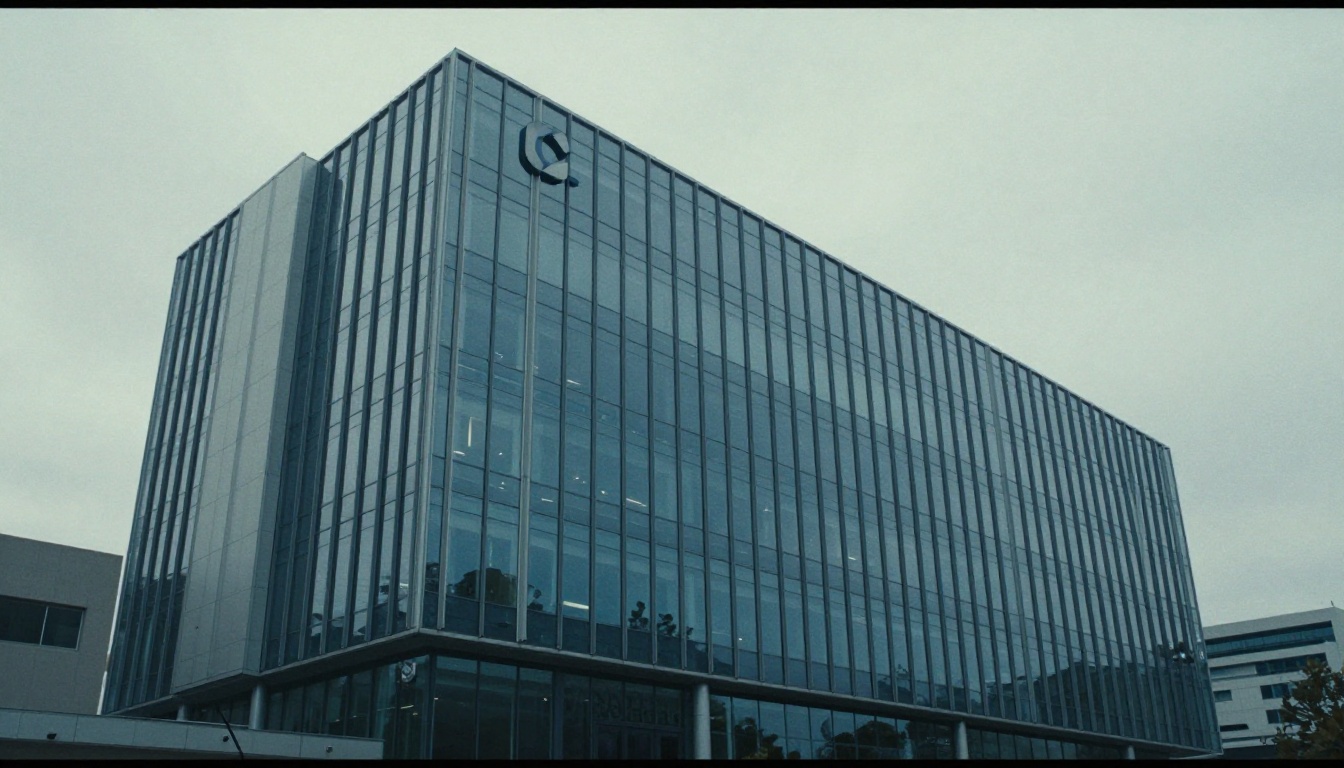 2
2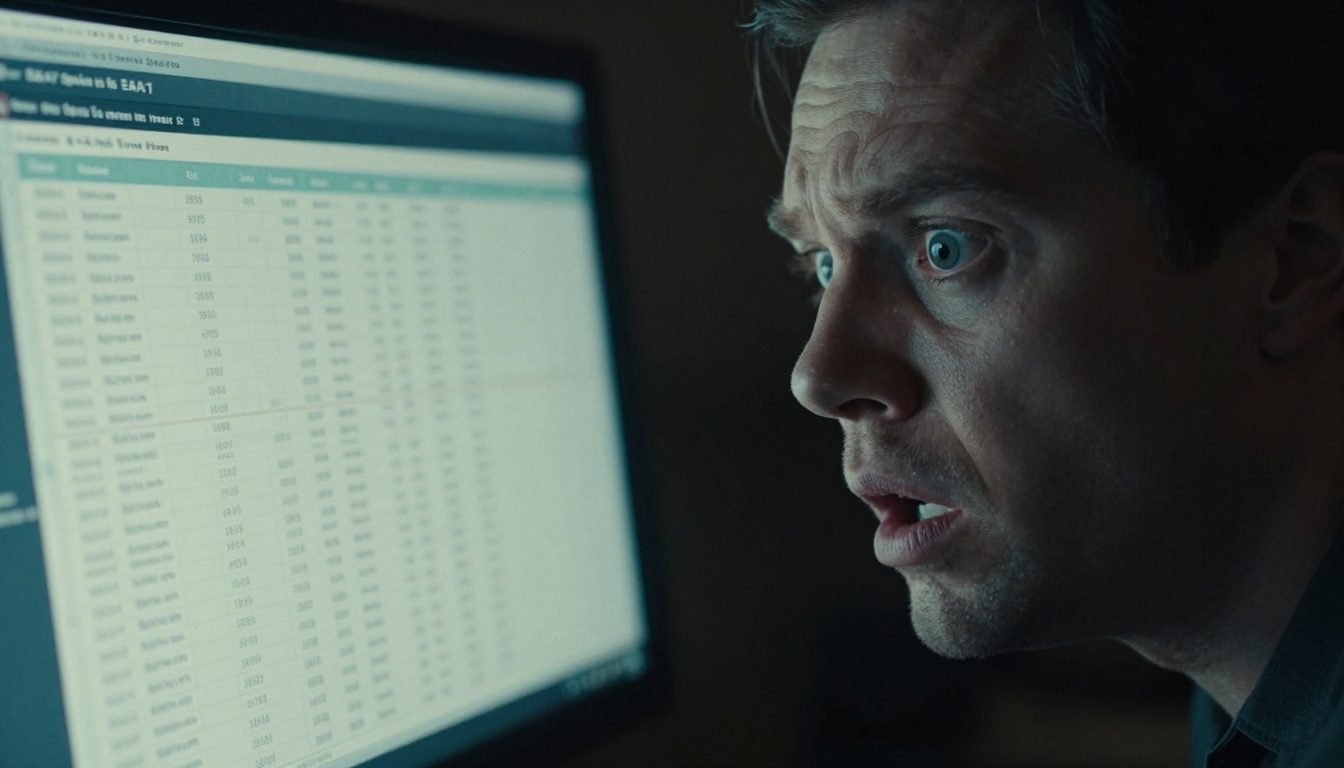 3
3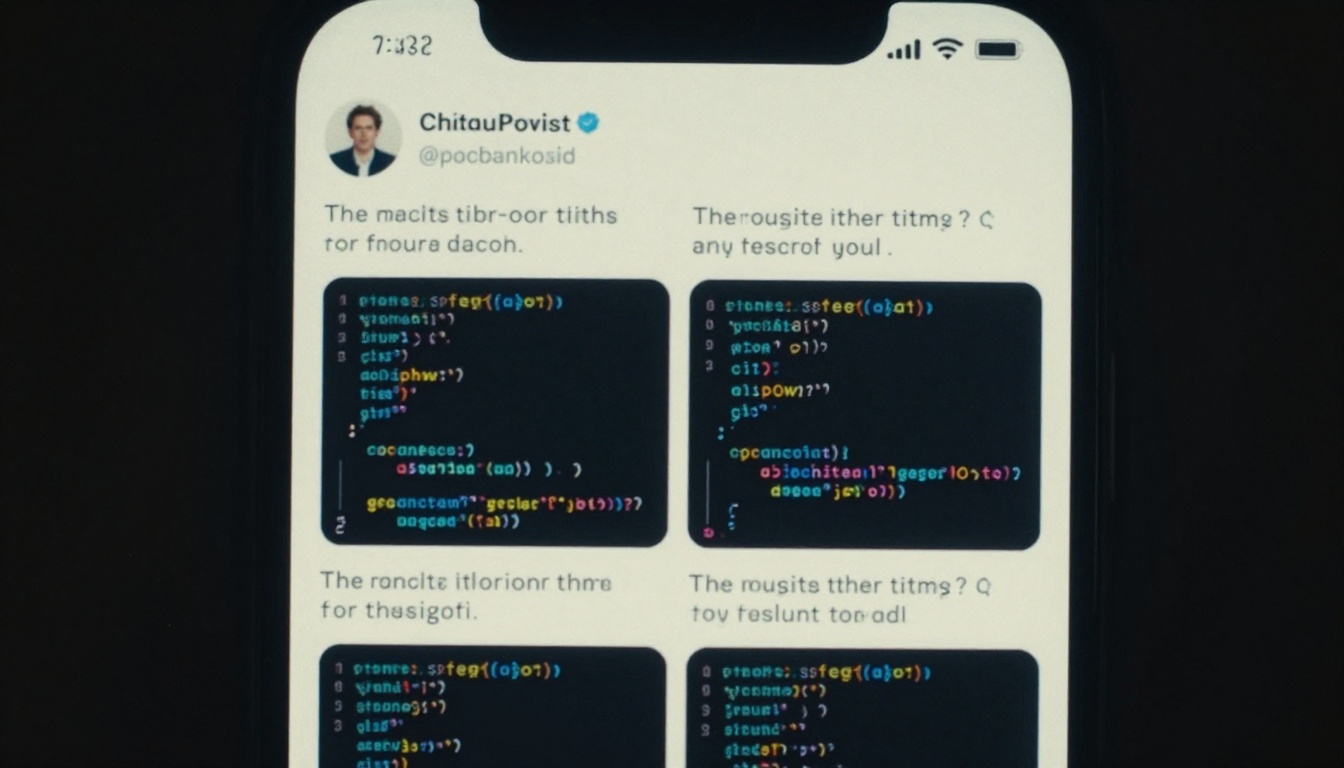 4
4 5
5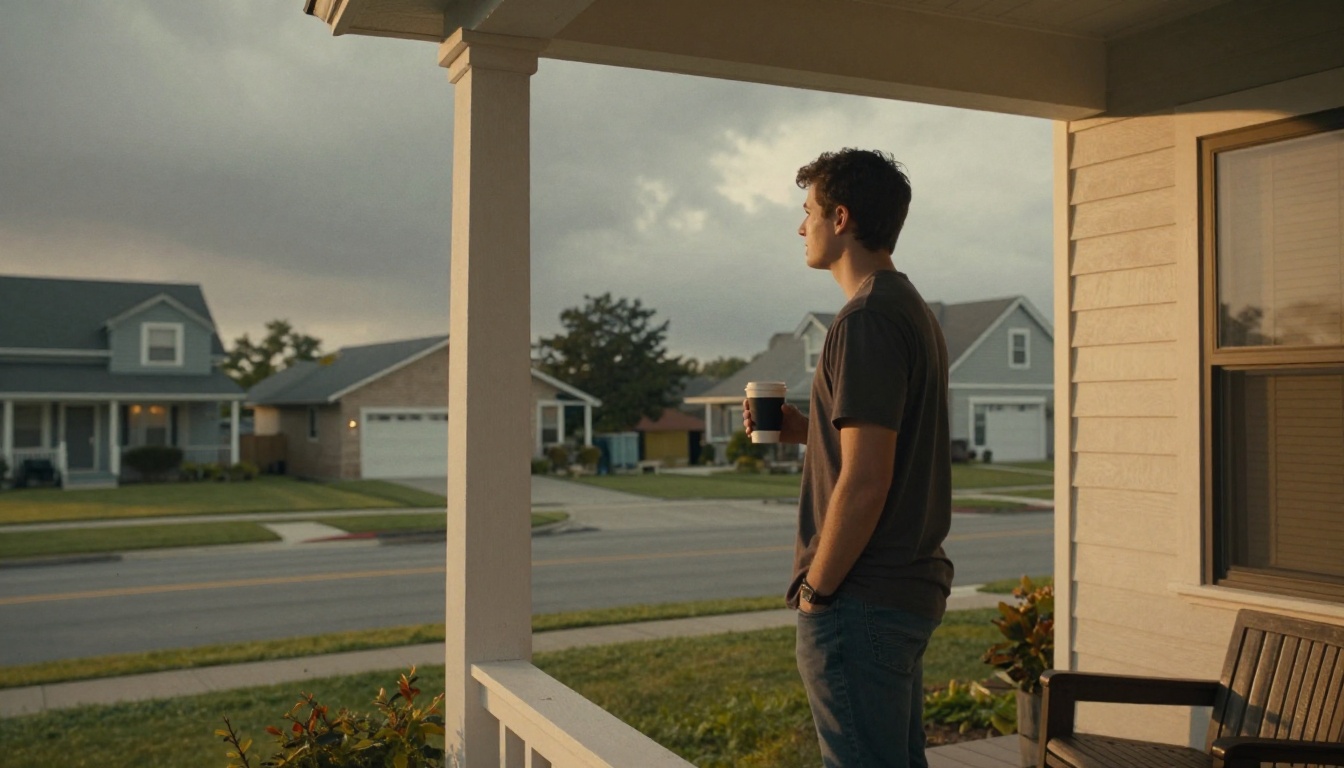 6
6Video Plan
# Video Plan: The Open Source Heist

## Source
- **Story:** A solo developer's open source library gets 50K GitHub stars. A Big Tech company forks it, removes his name, ships it as their own product, and makes $200M. He fights back with one commit.
- **Sources:** Original content (inspired by real open source drama patterns)
- **Date:** 2026-04-03
- **Visual Score:** 5/5 | **Hook Score:** 5/5 | **Narrative Score:** 5/5

## Characters

### Marcus Chen
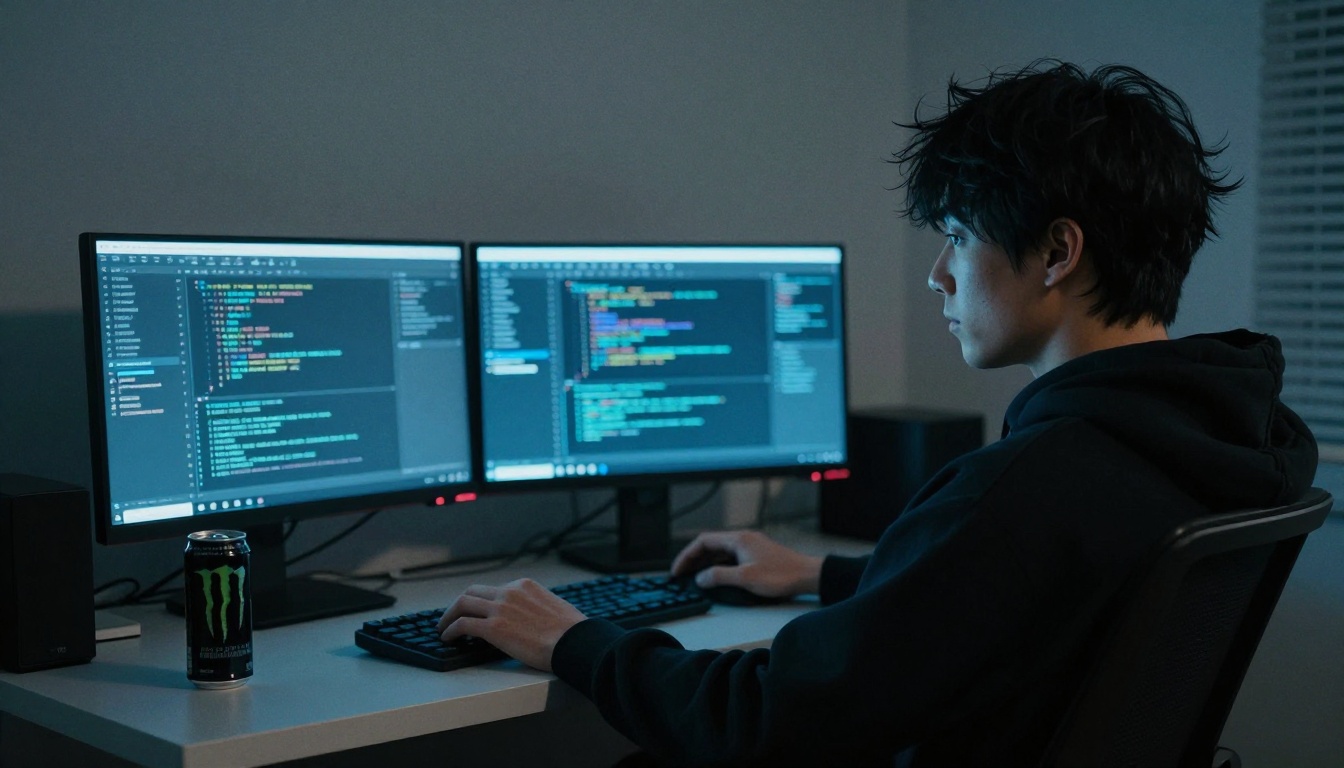
- 28-year-old developer, messy black hair, hoodie, dark circles from coding
- Works from a small apartment, two monitors, energy drink cans everywhere
- Built something brilliant alone in 18 months

### Nexus Corp
- Fictional Big Tech company, sleek glass offices, corporate blue branding
- The villain is the machine, not any one person

## Script (narration text)

Two hundred million dollars. That's how much Nexus Corp made from a product built by one guy in a studio apartment.

His name is Marcus Chen. He's twenty-eight. And eighteen months ago, he released a small open source library called FastQL. It was a query engine — lightning fast, brutally simple, and free. He published it on GitHub with an MIT license and went to bed.

By morning, it had two hundred stars. By the end of the week, fourteen thousand. Engineers at Google, Meta, and Stripe were using it. Someone at Hacker News called it the most important database tool in a decade.

FastQL hit fifty thousand GitHub stars in three months. Marcus was still working from his apartment. Still answering issues at two AM. Still making zero dollars.

Then Nexus Corp noticed.

Nexus is a cloud infrastructure company worth forty-seven billion dollars. They forked FastQL on a Tuesday. Two weeks later, they announced a new product called Nexus Query Engine. Same architecture. Same API. Same benchmarks. But wrapped in their cloud platform at ninety-nine dollars a month.

They removed Marcus's name from the source code. They removed the original license file. They didn't credit him. They didn't contact him. They just took it.

The announcement post on their engineering blog got eighteen thousand likes on LinkedIn. Their VP of Engineering called it a breakthrough in query performance. At the product launch, they showed benchmarks. The benchmarks were FastQL's benchmarks. From Marcus's own README.

Marcus found out when a friend sent him a screenshot of the Nexus pricing page. He scrolled through it in silence. Then he opened the source code comparison and went line by line. Ninety-four percent identical. They changed variable names and file structure. That was it.

He posted a thread on Twitter. Twenty-three tweets. Side-by-side code comparisons. Git blame timestamps. Architectural diagrams that matched exactly. He ended the thread with: "They didn't just use my code. They erased me from it."

The thread went viral. Fifty thousand retweets. Every tech publication covered it. Engineers at Nexus Corp started leaking internal Slack messages confirming the fork was deliberate.

Nexus responded with a statement: "Nexus Query Engine was developed independently by our engineering team. We respect the open source community and reject these allegations."

The internet didn't buy it. Not even close.

But here's the thing. Marcus had published FastQL under the MIT license. The most permissive open source license there is. It says: do whatever you want with this code. You can sell it. You can modify it. You can remove the author's name. Legally, Nexus did nothing wrong.

Marcus knew that. He'd chosen MIT on purpose. He believed in open source. He believed code should be free.

What he didn't believe was that a forty-seven billion dollar company would strip his name off his life's work and pretend they built it.

So he did the only thing a developer can do. He shipped an update.

Version two point zero of FastQL dropped on a Sunday night. It was faster. It was better. And it was released under a new license. The Commons Clause. That meant anyone could use it for free — except companies making more than ten million dollars a year in revenue. Those companies needed a commercial license. From Marcus.

Within seventy-two hours, Nexus Query Engine broke. Because it was still pulling from FastQL's dependency tree. And version two point zero had a new requirement — license compliance. Every Nexus customer saw a warning in their logs: "This software includes components requiring commercial licensing. Contact fastql.dev for terms."

Nexus stock dropped four percent that week. Their legal team sent Marcus a cease and desist. He published it on his blog. It got two million views.

Three weeks later, Nexus called him. Not their lawyers. Their CEO. They offered him twelve million dollars for a perpetual commercial license. Marcus countered with nineteen. They settled at fifteen point five.

Fifteen point five million dollars. For a library one guy built in a studio apartment.

Marcus still maintains FastQL. It's still free for everyone under the revenue threshold. He bought a house. He hired two maintainers. And in the FastQL README, right at the top, there's a single line that wasn't there before. It reads: Built by Marcus Chen. Not by committee.

## Scenes
| # | Type | Config | Transition |
|---|------|--------|------------|
| 1 | headline_card | headline: "Solo Dev's Open Source Code Stolen by Big Tech — Makes $200M", source: "Tech News — 2026", banner_text: "TECH DRAMA" | fade |
| 2 | stat_card | number: "$200M", label: "Revenue from one developer's code", trend: "up" | dissolve |
| 3 | image | prompt: "Cinematic tech drama, film grain, blue monitor glow. A young Asian man with messy black hair in a hoodie sitting alone in a small apartment, two monitors showing code, energy drink cans, 2AM coding session. Horizontal landscape, no text" | pan_right | fadeblack |
| 4 | code_block | code: "# FastQL v1.0\n# MIT License (c) Marcus Chen\n\nclass QueryEngine:\n    def __init__(self, config):\n        self.index = HyperIndex(config)\n        self.cache = LRUCache(max_size=10_000)\n    \n    def query(self, sql, timeout=30):\n        cached = self.cache.get(sql)\n        if cached:\n            return cached\n        result = self.index.execute(sql)\n        self.cache.set(sql, result)\n        return result", language: "python" | in | dissolve |
| 5 | stat_card | number: "50,000", label: "GitHub stars in 3 months", trend: "up" | dissolve |
| 6 | image | prompt: "Cinematic tech drama, film grain, cold corporate blue glass. Exterior of a sleek modern tech company headquarters, glass and steel, corporate logo on the building, overcast sky, imposing corporate power. Horizontal landscape, no text" | out | fadeblack |
| 7 | web_scroll | url: "https://github.com/topics/query-engine" | smoothleft |
| 8 | split | image_left: scene_03 (apartment), image_right: scene_06 (corporate HQ) | out | fadeblack |
| 9 | image | prompt: "Cinematic tech drama, film grain, cold screen light. Close-up of a man's face lit by monitor light, scrolling through a pricing page with shock and anger, the screen reflecting in his eyes. Horizontal landscape, no text" | in | dissolve |
| 10 | quote_card | quote: "They didn't just use my code. They erased me from it.", attribution: "Marcus Chen, creator of FastQL" | fadeblack |
| 11 | image | prompt: "Cinematic tech drama, film grain, phone screen glow. A viral Twitter thread on a phone screen showing side-by-side code comparisons, thousands of retweets visible, the internet responding. Horizontal landscape, no text" | pan_left | dissolve |
| 12 | text_card | text: "94%", subtext: "Code similarity. They changed variable names. That was it." | fadeblack |
| 13 | image | prompt: "Cinematic tech drama, film grain, warm amber desk lamp. A developer in a hoodie typing intensely at a keyboard late at night, determined expression, single desk lamp, the glow of revenge being coded. Horizontal landscape, no text" | in_right | dissolve |
| 14 | code_block | code: "# FastQL v2.0\n# Commons Clause License\n# Free for revenue < $10M/year\n# Commercial license required otherwise\n\nclass QueryEngine(BaseEngine):\n    def __init__(self, config):\n        self._verify_license()\n        super().__init__(config)\n    \n    def _verify_license(self):\n        if not LicenseCheck.valid():\n            logger.warning(\n                'Commercial license required.'\n                ' Contact fastql.dev'\n            )", language: "python" | in | fadeblack |
| 15 | stat_card | number: "-4%", label: "Nexus Corp stock price, one week", trend: "down" | dissolve |
| 16 | stat_card | number: "$15.5M", label: "Final settlement — for one developer", trend: "up" | dissolve |
| 17 | image | prompt: "Cinematic tech drama, film grain, warm golden light. A young man standing on the porch of a new house, morning light, coffee in hand, looking out at a quiet street, peaceful after the storm. Horizontal landscape, no text" | out_left | fade |
| 18 | text_card | text: "Built by Marcus Chen.", subtext: "Not by committee." | fade |

## Production Config
- **Voice:** af_bella
- **Speed:** 1.10
- **Music mood:** tense
- **Music volume:** 0.10
- **Output size:** landscape
- **Subtitle style:** karaoke, yellow
- **Cards:** true
- **Target duration:** ~5 minutes

## Scene Types Used
- `image` (5 scenes) — cinematic establishing shots
- `headline_card` (1) — opening TECH DRAMA banner
- `stat_card` (4) — $200M, 50K stars, -4% stock, $15.5M settlement
- `text_card` (2) — 94% similarity, final tagline
- `code_block` (2) — FastQL v1.0 vs v2.0 side by side in story
- `quote_card` (1) — "They erased me from it"
- `web_scroll` (1) — GitHub query engine page
- `split` (1) — apartment vs corporate HQ contrast
- **8 of 10 scene types in one video**
Actions
Metadata
Voiceaf_bella
Speed1.1x
Musictense
DurationUnknown
Scenes18
Video #12
Created: 4/4/2026, 9:32:55 AM
Updated: 4/4/2026, 1:45:46 PM
Pipeline Config
Voiceaf_bella
Speed1.1x
Transitionfade
Musictense
Scenes18